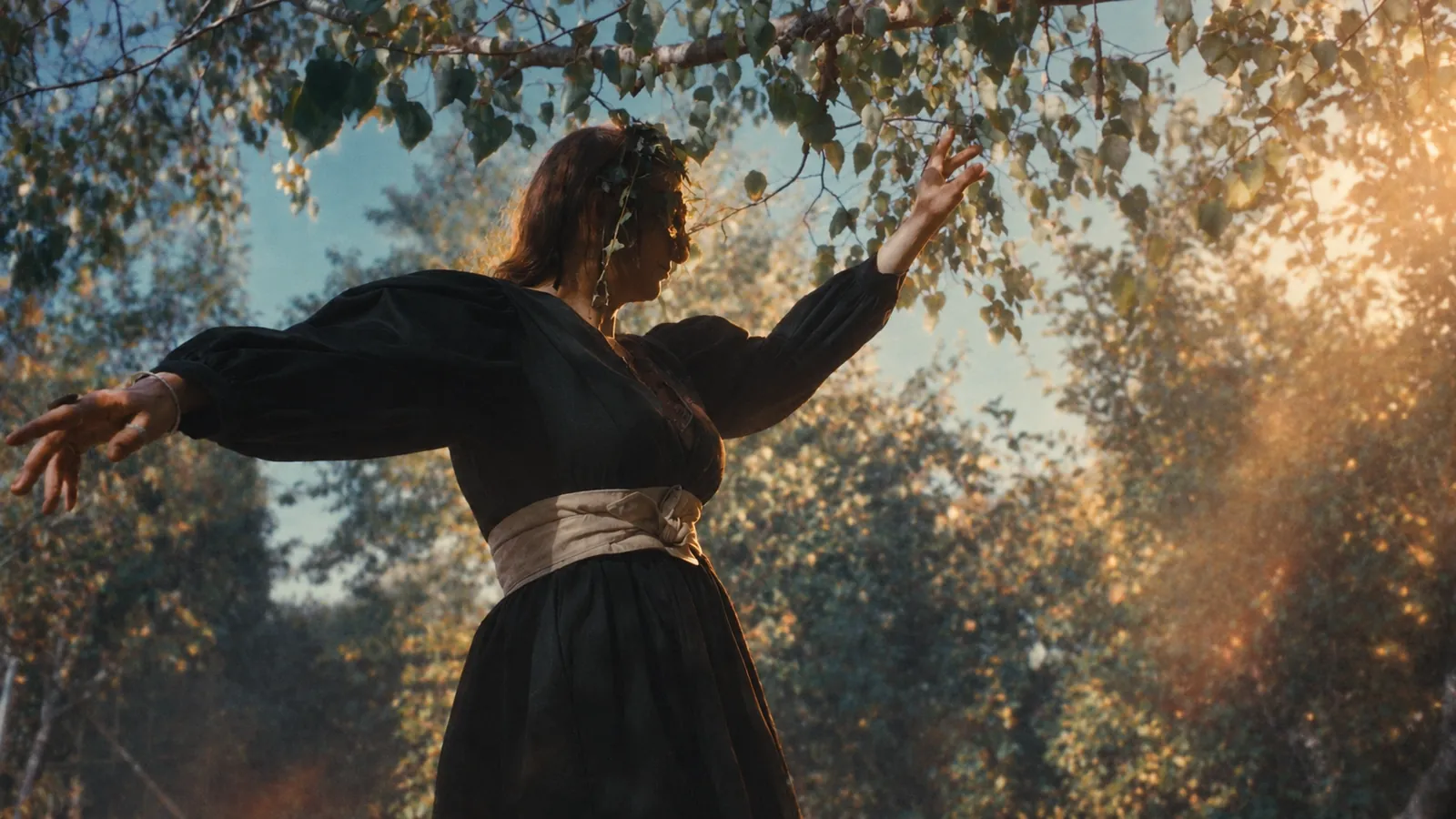
Hilbi
Hilbi took the time to live music before bringing her own songs to the fore.
Mozart and Hildegard von Bingen
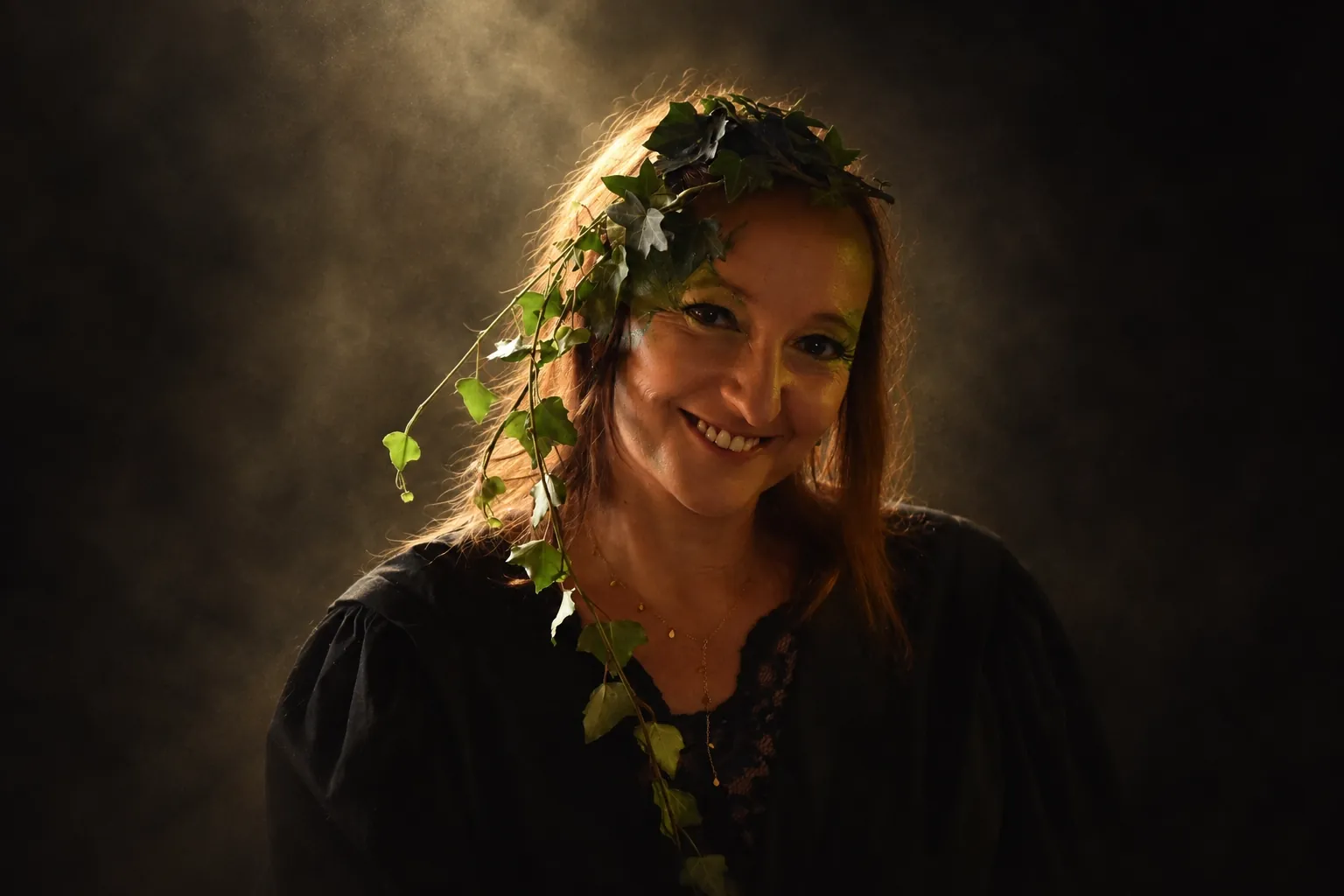
Music has been part of her story since childhood. Growing up in a music-loving family, she discovered Mozart very early and developed a fascination for his work that has never left her. A few years later, her interest in early music led her to Hildegard von Bingen, the twelfth-century composer and mystic. Her first and last names gave rise to the name Hilbi.
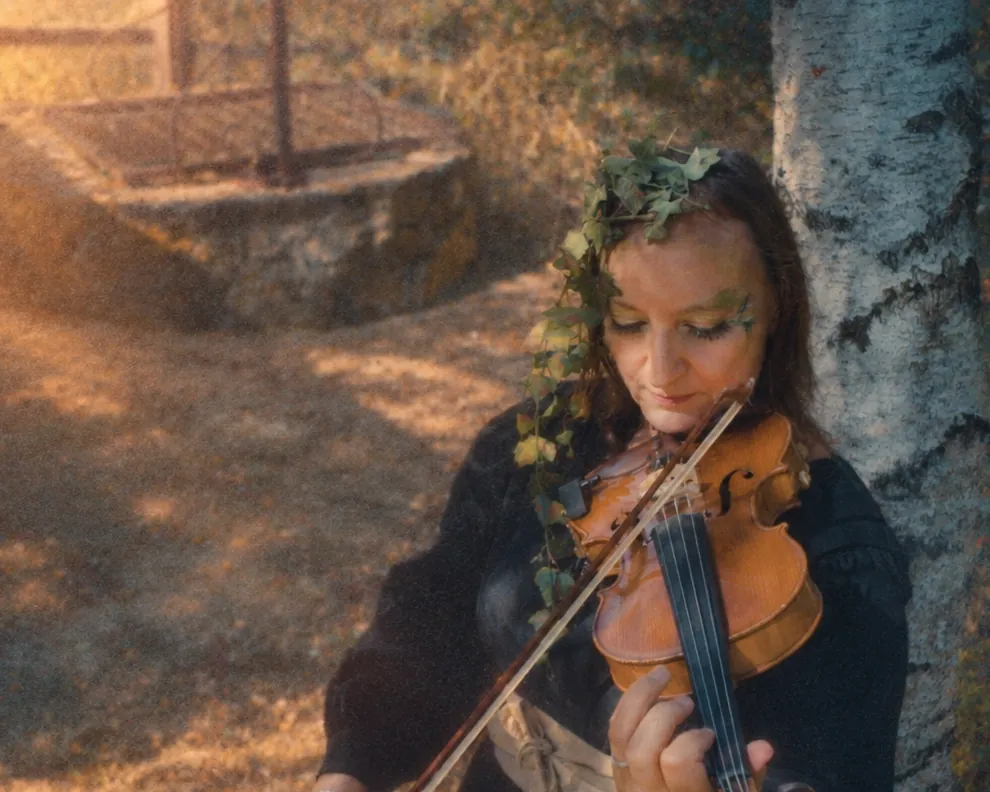
The violin
She began learning the violin at a very young age and continued her training at the Lyon Conservatoire. The instrument gradually became one of her guiding threads, from the classical repertoire to early music, then to folk traditions and Irish fiddle technique. Her path also led her to other early instruments, including the rebec, the medieval fiddle and the viola da gamba.
Germany
At eighteen, Hilbi moved to Germany. This long stay marked another turning point. There she discovered rock more deeply and began writing her first songs on guitar. Worlds that had seemed far apart began to meet: the energy of guitars, the memory of classical music, early sounds and the freedom of traditional music.
Ireland and Scotland
Back in France, Hilbi pursued these explorations with several bands. For many years she has played traditional Irish and Scottish repertoire, especially with Shamrock and Zora-jeanne. On stage and in her own work, the violin became as much a melodic instrument as a link between her different musical territories.
The songs
A private person, Hilbi has always found in songwriting a way to say what is harder to put into words. Her songs speak of memories, attachment, loss, desire, the passing of time and our relationship with the living world. Songs such as Tourner les pages à l’envers and Ma petite étoile marked her return to her own compositions in 2024.
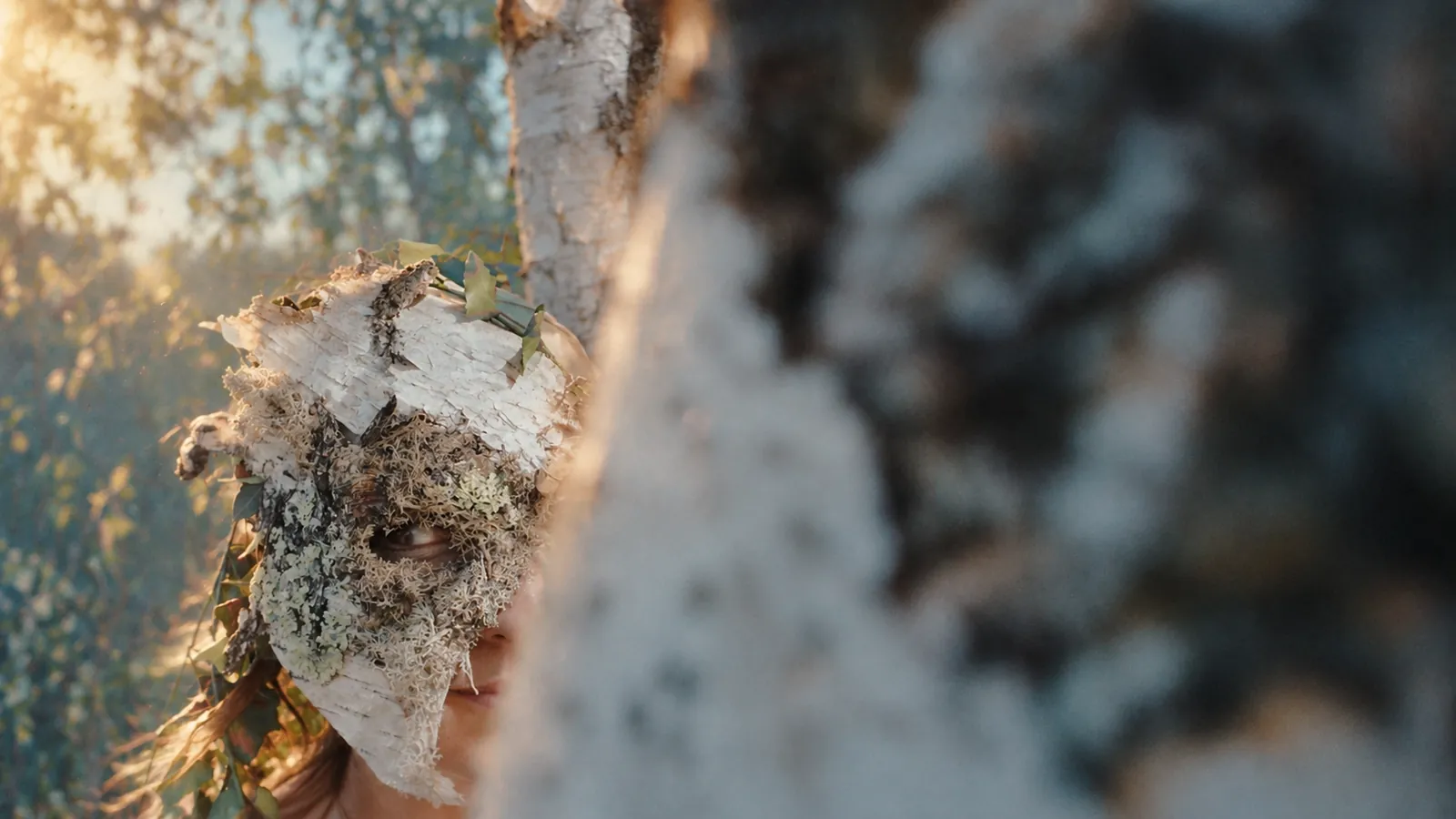
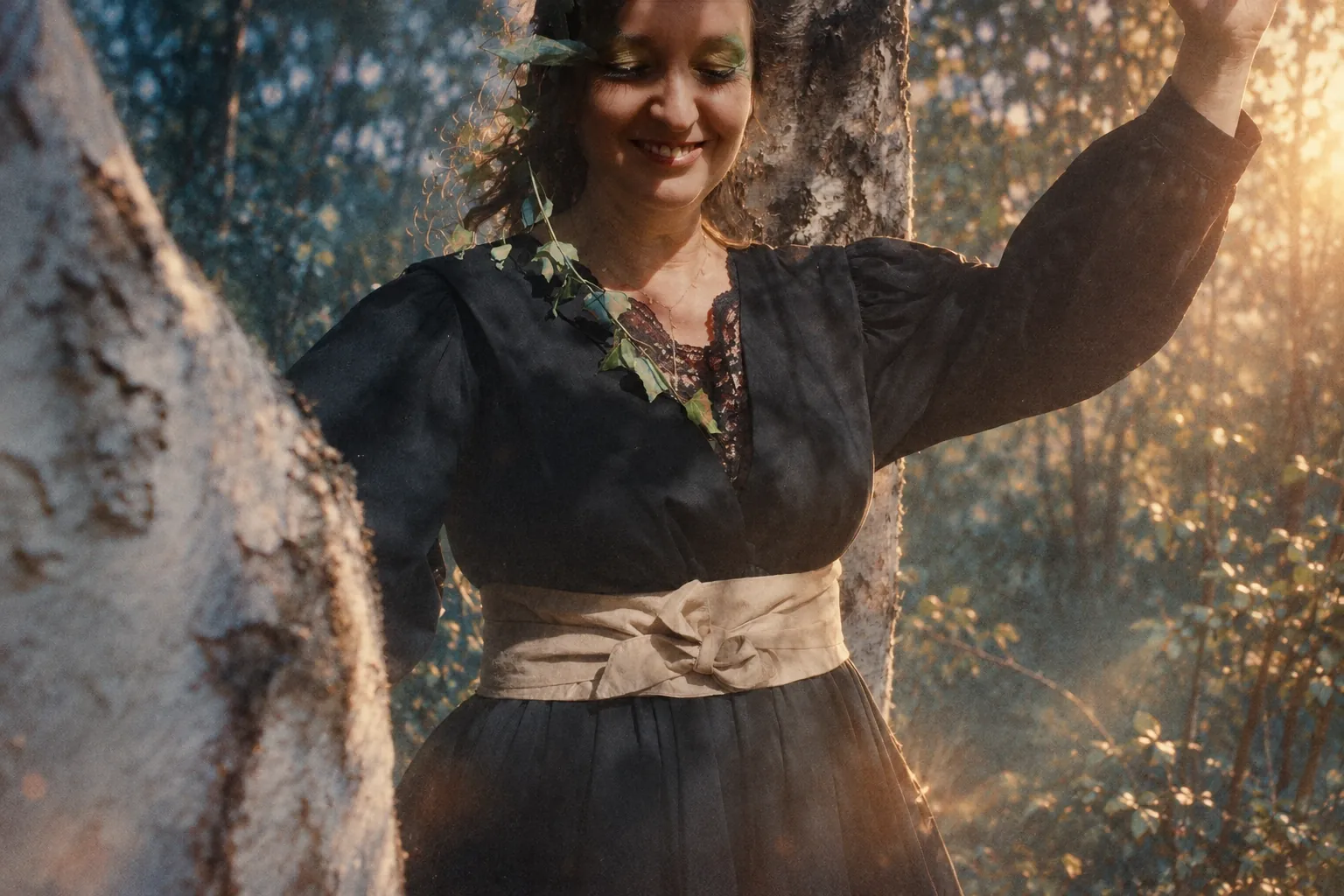
Today her writing is taking on a new scope. Hilbi is working on a new repertoire in which nature has its place. Forests, trees, roots and landscapes meet very contemporary concerns and her own relationship with the living world.
The new single Is Crann Darach Mé (I am an oak tree) is its first expression. Based on a poem by Annette Vaucanson inspired by scientist Suzanne Simard’s research on the relationships between trees, Hilbi has written an energetic song where deep bass, almost telluric drums and violin lines drawn from the fiddle tradition accompany a metamorphosis. Woman, tree, roots, forest and Earth become one.
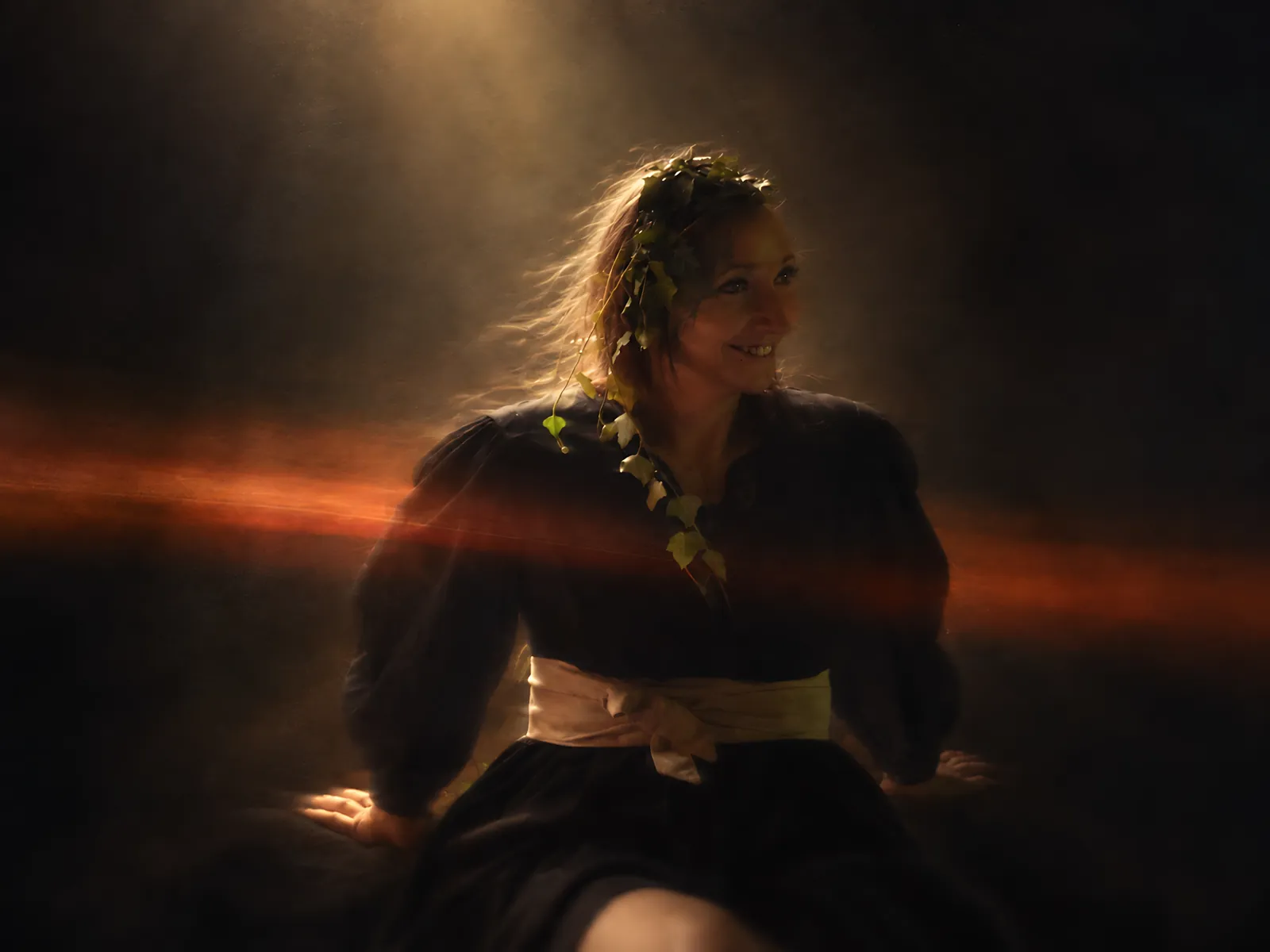
Photography: Ludovic Le Strat. Make-up: Marie Vanhonnacker.